
Guide to Choosing Amazon Surf Booties for Surfers
Intro
When it comes to surfing, having the right gear can make all the difference in enjoying your time on the waves. This is where surf booties come into play. These specialized shoes provide protection and comfort, helping surfers navigate the diverse conditions of the ocean. Whether you're a beginner just getting your feet wet or a seasoned pro tackling big waves, finding the right pair of booties can greatly enhance your overall experience.
In this guide, we’ll dive deep into the world of surf booties available on Amazon, discussing essential factors like materials, sizes, and functional designs. We’ll compare various popular brands, examine performance features, and address common concerns voiced by surfers. With the right information, you can make a decision that suits your surfing needs while also being mindful of your budget. Let’s get started by looking at some techniques and skills that surf enthusiasts should consider.
Understanding Surf Booties
Surf booties, though often overlooked, play a critical role in enhancing the surfing experience. For those who frequently ride the waves, understanding the nuances of these aquatic accessories can significantly influence comfort, performance, and even safety in water. When surfers venture into the ocean—whether for adrenaline-pumping sessions or serene paddling—having the right footwear becomes essential, especially in fluctuating temperatures and varied environments. This section explores the purpose, functionality, and various benefits of wearing surf booties, offering insight to both novices and seasoned riders.
Purpose and Functionality
The primary purpose of surf booties is to provide a barrier between the surfer's feet and the elements. Imagine walking on endless stretches of sand, dodging sharp rocks or dealing with sudden temperature drops while wading into deeper waters. Surf booties offer protection from these possible perils. They fit snugly to the feet, ensuring warmth and comfort, adapting to the natural contours and unique needs of each surfer.
Moreover, surf booties are crafted to enhance grip and traction on surfboards, which can make a world of difference in performance. Non-slip soles, often patterned like tire treads, allow surfers to maintain balance and agility while navigating tricky waves. Some designs also feature reinforced areas, boosting durability against the rigors of rugged landscapes and prolonging the lifespan of these essential footwear.
Benefits of Wearing Surf Booties
The advantages of surf booties extend beyond simple foot protection. Here are a few key benefits:
- Insulation Against Cold Water: One of the most significant perks is how booties trap heat, especially during colder months. Much like a wetsuit, they help retain body warmth while maintaining mobility in chilly waters.
- Increased Comfort: Surf booties reduce discomfort caused by exposure to rocks, shells, and other debris. Wearing these can alleviate common foot injuries that arise from harsh surfaces.
- Versatility: Many surf booties are designed for a range of water activities. From snorkeling to paddleboarding, their multi-functionality extends beyond just surfing.
- Durability: Good-quality booties are made to withstand wear and tear. The materials used help them resist abrasions and extend their functional lifespan, saving surfers money in the long run.
- Enhanced Performance: Better grip on the board can lead to improved performance. Surfers can make sharp turns and maneuvers with confidence, knowing their booties provide stability.
"Choosing the right surf booties can revolutionize your time in the water—it's not just about style; it's about performance and safety."
In summary, understanding surf booties goes beyond mere purchases; it involves grasping their purpose, how they function, and the array of benefits they account for in enhancing one's surfing endeavors. Armed with this knowledge, surfers can make informed decisions that suit their unique needs and conditions.
Material Composition
Understanding the material composition of surf booties is critical for surfers looking for both performance and comfort. The right materials can significantly affect water comfort, thermal insulation, and overall durability. This section will explore the common materials used in surf booties and their implications for surfers navigating various conditions.
Neoprene: The Popular Choice
Neoprene is often regarded as the top pick when it comes to surf booties. This synthetic rubber is recognized for its flexibility and water resistance, making it ideal for cold water surfing.
Thickness Variations
The thickness of neoprene varies widely, typically ranging from 2mm to 7mm. Thicker booties provide more insulation, which is especially beneficial in cold conditions, while thinner options allow for greater flexibility and feel for the board.
- Key Characteristic: Thickness impacts both warmth and mobility. A thicker design, like a 7mm bootie, offers excellent warmth and insulation.
- Advantages: Wearing thicker booties can keep your feet cozy, which is vital if you’re tackling cold waves.
- Disadvantages: On the flip side, they may limit foot mobility, making it harder to feel the board during intricate maneuvers.
Insulation Properties
Neoprene’s insulation properties are another reason for its popularity. The material traps a layer of water between the bootie and the foot, which warms up to your body temperature.
- Key Characteristic: This insulating property ensures that your feet don’t freeze off during extended sessions in chilly waters.
- Advantages: Enhanced insulation means longer, more enjoyable surf sessions without the worry of cold toes.
- Disadvantages: However, if you’re in a warm climate, these same insulation features can cause hot, uncomfortable feet.
Alternative Materials
As surf gear evolves, alternative materials have begun to make an appearance, appealing to specific preferences and eco-conscious surfers.
Textile Innovations
Textile innovations have seen the introduction of more breathable and lightweight materials, which can be especially appealing for summer surfing.
- Key Characteristic: Fabrics made from advanced textiles offer better breathability while still resisting water, catering to surfers who need ventilated gear.
- Advantages: They can also dry faster, making them a practical choice for surfers looking for convenience.
- Disadvantages: However, these options may not provide the same level of insulation as traditional neoprene, making them less ideal for colder climates.
Eco-Friendly Options
With sustainability in mind, various eco-friendly materials have been introduced in the market, from recycled plastics and natural rubber to bio-based neoprene alternatives.
- Key Characteristic: These materials cater to environmentally conscious surfers who wish to minimize their carbon footprint.
- Advantages: By opting for eco-friendly options, surfers can enjoy their sport while feeling good about their choice.
- Disadvantages: Not all eco-friendly materials have the durability or performance characteristics of traditional choices, potentially limiting their effectiveness in harsh conditions.

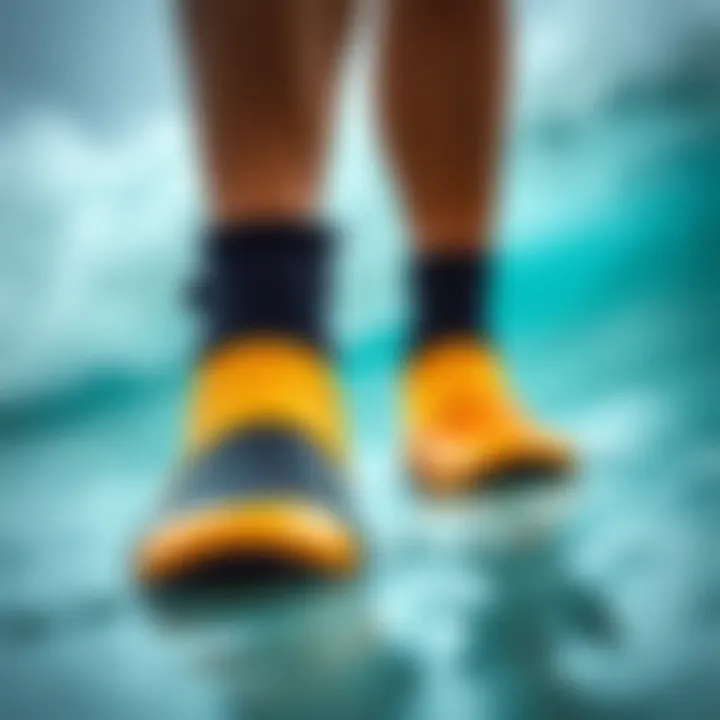
The spotlight on material composition reveals its essential role in enhancing surf booties’ performance and longevity. With options available for different water conditions and personal preferences, surfers can find choices that align with their surfing experiences.
Selecting the Right Fit
Finding the right fit for surf booties can be as crucial as picking the right board. Every surfer knows that comfort and performance on the waves hinge significantly on gear that fits just right. A snug fit not only keeps the booties in place while you’re riding the waves, but it also adds an extra layer of insulation and protection from frigid water and sharp reef.
Sizing Considerations
When it comes to sizing, common sense only gets you so far. It’s essential that surfers take accurate measurements of their feet before making a purchase.
- Check the Size Chart: Each brand has its own size chart, which can be a bit maddening. It’s not uncommon for a size 10 in one brand to feel like a size 11 in another. Always measure your feet and consult the specific brand’s sizing guide before ordering.
- Consider Foot Shape: Not every foot is created equal. Some surfers have wider feet, while others may need a more snug fit. Be cognizant of your foot shape and opt for brands that cater to that.
- Adjust for Thickness: Many booties come in different thicknesses, impacting the overall fit. For example, a pair of 3mm booties may feel tighter than the same size in 5mm. Always take the thickness into account, especially if you’re deciding between various styles.
Getting the size right can save you a world of hassle. A too-tight bootie can cut off circulation and lead to numb toes; too loose, and you might as well be barefoot. It can be a real game changer in how you perform on the water.
Fitting Techniques
Finding the right fit is one thing; actually putting them on can be a different beast altogether. Here are some fitting techniques to ensure your booties hug your feet just right:
- Wearing the Right Socks: Some surfers swear by thin neoprene socks for added warmth and a better fit. If you decide to use them, make sure to factor in that extra layer in your sizing calculation.
- Try Before You Buy: If you have the chance, try on the booties in-store before committing. Walk around a bit, bounce on your heels, and even dip your feet into some water if the store allows. You want to experience how they feel in real-time.
- Check for Gaps: After you’ve slipped them on, make sure there are no significant gaps around the heel or the instep. Small spaces can lead to water pooling and an uneven riding experience. You should aim for a fit that is snug but not painfully tight.
- Break Them In: Just like a new pair of shoes, most surf booties need a bit of breaking in. Wear them at home for short periods and gradually increase the time to mold them to your feet comfortably.
A proper fit can enhance stability, responsiveness, and overall enjoyment while charging the waves.
By following these sizing considerations and fitting techniques, you can ensure that you’re fully equipped for your best surfing experience yet. A good fit translates directly to performance, allowing you to focus less on your gear and more on enjoying the ride.
Performance Features
When engaging in the thrilling and unpredictable environment of surfing, the gear you rely on can make all the difference. This is where the performance features of surf booties become paramount. The right booties not only optimize functionality but also ensure that surfers can maintain stability, comfort, and safety while navigating through waves. Let's dissect some of the key performance features that should influence your decision when selecting surf booties.
Grip and Traction
Grip and traction are essential for all surfers, whether you're paddling out to catch the next big wave or navigating rocky shores. A reliable pair of surf booties must offer excellent grip to prevent slipping on wet surfaces and ensure steady footing.
Sole Patterns
The sole patterns on surf booties can significantly impact their grip. Many booties feature a rubber sole with a unique tread design that enhances traction on slippery surfaces. This characteristic is crucial, as it aids surfers in maintaining balance while moving swiftly on board.
A popular choice among surfers, these sole patterns often incorporate varying depths and shapes, allowing them to grip various surfaces with ease. The uneven tread helps channel water away, reducing slippage. However, depending on the design, some sole patterns may wear more quickly, necessitating careful selection for longevity.
"The surefootedness of a good sole pattern can be the difference between a wiped-out and a record-breaking ride."
Material Enhancements
Another aspect to consider in grip and traction is the material enhancements used in the booties' construction. Advanced rubber compounds are becoming increasingly common in booties, adding flexibility while also improving durability. These materials can provide a superior grip when in contact with both the surfboard and the ocean floor.
Surfers often gravitate towards booties with soft yet durable rubber that conforms slightly to the surface they’re on. The trade-off here is that while enhanced grip may improve performance, it can also mean sacrificing some durability; thus, finding the right balance is crucial depending on the surfer's needs and conditions.
Durability and Wear Resistance
Just as rigorous as the ocean can be the test of time for surf booties. Durability and wear resistance are often determining factors when investing in a pair. These booties need to withstand rough conditions, including sharp rocks, corals, and endless waves. High-quality materials and stitching techniques contribute significantly to prolonging their lifespan.
When choosing the right pair, consider opting for booties that feature reinforced seams, tough materials, and robust construction methods. While comfort may come from soft materials, ensuring durability can save surfers headaches and wallet aches in the long run.
Waterproofing Technologies
Waterproofing technologies are a vital consideration given that surfer's feet can often face harsh and cold conditions. Modern surf booties utilize various technologies to keep water out while maintaining breathability, ensuring that surfers are both warm and comfortable during their sessions.
Most booties come equipped with seals or plugs to prevent water ingress. However, the effectiveness of these technologies can depend on the specific brand and model. A solid pair of waterproof booties can help keep surfers focused on riding the waves instead of shivering from cold water seeping in.
End
In summary, the performance features of surf booties can substantially improve a surfer's experience. With considerations like grip and traction, durability, and waterproofing technologies, selecting the right pair should align with the conditions and personal preferences of the surfer. Understanding these key attributes is essential, as they ultimately dictate not only performance but also safety on the waves.
Comparative Analysis of Brands


When it comes to surf booties, choosing the right brand can be a game changer, influencing everything from comfort to performance out on the waves. Analyzing various brands helps surfers make informed decisions based on their specific needs and preferences. With distinct offerings from different manufacturers, understanding the landscape of surf booties not only enhances the purchasing experience but also ensures that surfers invest in products that truly resonate with their surfing style. Here, we will break down the high-end brands, budget-friendly options, and user insights that collectively paint a comprehensive picture of what's available on Amazon.
High-End Brands Review
High-end surf booties often come loaded with advanced technology and materials that promise to elevate the surfing experience. Brands like Xcel, O'Neill, and Rip Curl have established themselves as premier names within the surfing community. Their booties usually feature:
- Superior Craftsmanship: Meticulously crafted for durability and performance, these brands often utilize high-grade neoprene and cutting-edge features to provide a snug fit while allowing flexibility.
- Innovative Designs: Features like thermal lining, unique stitch patterns, and seamless construction can significantly minimize water entry and improve insulation.
- Proven Performance: Many high-end booties undergo rigorous testing in various conditions, garnering endorsements from professional surfers.
While these brands might come with a higher price tag, the benefits they provide can easily justify the investment for serious surfers looking to enhance their game.
Budget-Friendly Options
On the other hand, not every surfer is looking to break the bank for booties. Fortunately, brands like Cressi and GUL offer budget-friendly options that still provide essential features without burning a hole in your pocket. Here are some elements to consider:
- Affordability without Compromising Quality: Brands in this segment focus on delivering reliable performance at a lower cost. Materials may not be as premium as those in high-end brands, but often they still offer satisfactory durability and comfort.
- Practical Features: Many budget booties come equipped with essential elements like good grip soles and basic thermal properties that make them suitable for casual surf sessions.
- Great for Beginners: These options are ideal for novice surfers or those who surf occasionally, providing reliable protection without a hefty investment.
User reviews often highlight how these options provide decent bang for your buck, and while they may lack some advanced features, they still serve their purpose well in many environments.
User Ratings and Feedback
User ratings are an invaluable resource when navigating through the crowded market of surf booties. Reviews from fellow surfers can tell you a lot about how well a product performs in real-life conditions. Here’s what to pay attention to:
- Comfort and Fit: Many reviews discuss fit, and slight variances can make or break the bootie experience. Pay attention to feedback about size consistency and comfort levels.
- Water Resistance: One common concern among surfers is how waterproof the booties hold up during extended use. User experiences can give insights into how well the booties perform under various water conditions.
- Durability: Feedback often reflects on how well the booties stand up against wear and tear, especially for those who frequently surf.
“Always read reviews before making a purchase, as they can reveal crucial information about fit and functionality that manufacturers might not emphasize.”
Care and Maintenance
Maintaining your surf booties is crucial not just for their longevity, but also for ensuring they continue to provide maximum performance and comfort. Like anything worthwhile, taking care of your gear pays off in the long run. Well-cared-for booties can withstand the test of time and many a wave. Here’s a deep dive into cleaning procedures and how to store your booties properly.
Cleaning Procedures
After a long day of surfing, the last thing you want is your booties to look like they've been through a mud pit. The right cleaning methods can keep them looking refreshed. Here are some effective tips on how to clean your surf booties:
- Rinse Immediately: As soon as you can, rinse your booties with fresh water. This washes away salt, sand, and any other debris that can cause damage over time. It’s a simple but effective step that makes a world of difference.
- Gentle Soap: Use a mild soap or a specialized wetsuit cleaner if your booties are particularly grimy. Avoid harsh detergents, as they can degrade the materials, especially neoprene. It's like giving your booties a gentle spa treatment.
- Scrub with Care: If you notice stubborn stains, using a soft brush can help. Gently scrub the affected areas. Just like brushing your teeth, it’s better to be gentle than aggressive.
- Thorough Rinsing: After scrubbing, rinse thoroughly to remove all soap residue. Soap left behind can lead to skin irritation and is just plain annoying.
- Air Dry: Finally, let your booties air dry away from direct sunlight. Sunlight can break down the materials, leading to cracking and fading. Think of it like putting on sunscreen for your booties.
"Proper cleaning not only extends the life of your surf booties, it enhances performance by maintaining their structure and flexibility."
Storage Guidelines
Even when you're not riding waves, how you store your booties matters. Improper storage can lead to unnecessary wear and tear. Here are some pointers for ensuring your surf booties are kept in top shape:
- Dry Before Storing: Always make sure they are completely dry before you put them away. Moisture can lead to mildew, which is a smelly problem, and no one wants their booties smelling like old gym socks.
- Flat or Hanging: Store your booties flat or on a hanger to avoid creasing. If they’re crammed into a bag, they might take on odd shapes, which can affect comfort when you next wear them.
- Cool, Dark Place: Avoid heat sources and direct sunlight when you store them. A cool, dark place is ideal. Your booties do NOT enjoy hot summer days in a closed car, just as you don’t.
- Avoid Chemical Fumes: Keep them away from chemicals or solvents—think cleaners or gasoline. They can break down the materials more swiftly than you might expect. It’s like letting your booties take a vacation away from harsh environments.
- Regular Checkups: Periodically inspect your booties for any signs of wear or damage, even when not in use. Catching issues early can save you from a costly last-minute replacement.
Taking the time to properly clean and store your surf booties might feel like a hassle, but it’s a small investment for the comfort and longevity of your gear. Considering how much they assist in your surfing adventures, they definitely deserve some TLC!
Seasonal Considerations
In the world of surfing, understanding seasonal considerations is crucial for any serious surfer. It’s not just about the waves, but the water temperature and conditions, which can profoundly affect both comfort and performance. Winter, spring, summer, and fall all bring their unique challenges, and being prepared is lays the foundation for an enjoyable surf experience. This section discusses the implications of water temperatures on surf booty selection and emphasizes why adapting gear to the changing seasons is non-negotiable for thriving in the lineup.
Cold Water Surfing
When the chill sets in, surfing in cold water becomes a test of endurance and resilience. Choosing the right booties is not merely a matter of comfort; it becomes a necessity to ward off hypothermia or other cold-related issues. Cold waters can dip below 50°F (10°C), and that’s where heftier neoprene options come into play. Typically, surfers gravitate towards thicker, insulated booties, often in the 5mm thickness range, which offers enhanced warmth without sacrificing flexibility.
Another aspect to consider is the design of the booties. Many cold water booties are equipped with features like sealed seams to prevent water from seeping in. This is crucial because even a little cold water can sap warmth fast. A good grip becomes essential as well, preventing slips when maneuvering on a chilly board.
"Awareness of water temperature and its impact on surf booties ensures an enjoyable experience; that’s key to extending surf sessions in the dead of winter."
Surfers often recommend brands like O'Neill or Xcel for their cold water booties, mentioning their durability and comfort. Personal preference for styles may vary, and some surfers favor a split toe design which allows for better board feel and control. Others might lean towards round toe options, which generally offer more warmth. Ultimately, cold water surfing is about finding that sweet spot between warmth, grip, and comfort, allowing surfers to focus on the waves instead of cold feet.
Warm Water Conditions
On the other end of the spectrum, warm water surfing presents a unique set of considerations. When it's sunny and the surf is inviting, lighter booties are all the rage. Water temps above 70°F (21°C) often call for thinner materials, as excessive insulation can lead to overheating, which hampers performance and comfort. Most surfers opt for booties that are thinner, ranging from 2mm to 3mm, providing just enough protection from sharp reefs or critters lurking below without causing discomfort.


Lightweight booties not only assist in keeping feet protected but also aid flexibility. Surfers emphasize the importance of responsiveness when catching that perfect wave, and a more minimal design can enhance that feel. Ventilation is also essential in warm conditions. Many booties are designed with drainage holes or breathable materials that allow water to flow through without trapping heat.
Another common aspect of warm water booties includes the contours they fit to the foot. A snug, comfortable fit is vital—you don’t want to be losing your booties while paddling out! Some users have given their thumbs up to brands like Rip Curl and Billabong for warm water options, asserting they find the right balance of protection and dexterity.
Community Insights
Understanding the community that surrounds surfing can be as crucial as the gear you choose. This section highlights how local surf communities shape preferences and deliver insights that can significantly influence your surf bootie selection.
Surfing isn’t just a sport—it's a culture, woven with the fabric of local traditions, conditions, and styles. Communities play an integral part in shaping the preferences of surfers, crafting a unique collective identity. Surf booties aren't merely accessories; they become reflections of personal experience, regional conditions, and community standards.
Local Surf Communities and Their Preferences
Every surf locale has its own nuances, which informs the choices surfers make regarding their gear. In places with rocky coastlines, for instance, booties with thicker soles for protection might dominate. Comparatively, communities in tropical areas might lean towards lighter, more flexible options that provide comfort without overheating. Here are some factors to consider:
- Type of Terrain: Recognize whether surfers are navigating sandy beaches, rocky shores, or coral reefs. Each environment requires distinct features from booties.
- Climate Conditions: Cold waters call for well-insulated booties. Alternatively, areas with warm waves may prefer minimalism to prevent overheating.
- Cultural Influences: Local styles can impact aesthetics as much as functionality. Some surfers might favor colorful designs that showcase local art or team logos.
By observing these traits, you can adapt your bootie choice to fit not only your personal style but also align with your local surfing culture.
Surfer Testimonials
Listening to fellow surfers often provides the best insights into the effectiveness of different booties. User experiences can be invaluable, as they touch upon practical aspects of performance that technical descriptions may overlook. Key points from surfer testimonials often highlight:
- Comfort Level: Most surfers will tell you that comfort is paramount. They’ll recount tales of long sessions on the waves and how a good pair of booties protected their feet while keeping them comfortable.
- Durability: Many testimonials will include details about how long booties last under tough conditions. You'll hear stories about where they’ve suffered wear and tear, helping you gauge a bootie’s quality.
- Performance During Use: How's the grip on the board? Testimonials often offer real-world insights into functionality that can help you visualize what to expect.
"The right booties made my cold-water sessions bearable, allowing me to focus on riding waves rather than freezing my toes off."
Harnessing knowledge from fellow surfers can demystify the often convoluted terminology used in product descriptions. Relying on community experiences not only builds trust but also ensures you're investing in gear that's truly beneficial for your specific needs.
Naturally, there’s always room for adjustments and personal preference, but this insider information will position you far ahead of just reading specs on a page.
Purchasing Considerations on Amazon
When it comes to buying surf booties on Amazon, making well-informed choices is crucial. There’s a vast sea of options, and getting it right can mean the difference between a comfortable surf session and an experience that’s less than ideal. Surf booties, while seemingly straightforward, come with a few intricate elements to consider. Understanding these factors not only enhances your shopping experience but ensures you land a good pair that fits your specific needs and preferences.
Navigating the Amazon Platform
Navigating Amazon can be a double-edged sword. On one hand, it’s a convenient platform with a plethora of options. On the other hand, the sheer volume of choices can leave you feeling overwhelmed.
- Search Bar Efficiency: Start by using the search bar strategically. Input specific terms such as "neoprene surf booties" or "cold water surf booties" instead of just "surf booties". This will narrow down your options and point you in the right direction right off the bat.
- Filters and Sorting Options: Once you see the product listings, take advantage of filters such as size, material, and price range. Sorting by user ratings or newest arrivals can also guide you to higher-quality options quickly.
- Visual Cues: Pay attention to product images. Multiple angles and close-ups help you gauge quality better than descriptions alone. If you see a brand promoting unique features, look for high-resolution images that showcase them.
Analyzing Product Descriptions and Reviews
Once you have a few candidates in your cart, it’s time to dive deep into product descriptions and reviews. Here’s why this step can’t be skipped:
- Detailed Specs: Look for information about the material thickness, insulation properties, and grip texture. A good description should clearly define what sets the product apart.
- User Experiences: Reviews are your window to the real-world performance of each product. Focus on recent reviews. Some older feedback might not reflect the current quality or fit and might be outdated.
- Star Ratings and Written Feedback: Instead of relying solely on star ratings, read individual reviews. Users often share valuable insights, such as how true to size the booties run or whether they hold up in specific conditions.
- Common Issues: Keep an eye out for recurring complaints. If multiple reviews mention a similar defect, like booties tearing after only a few wears, it’s a red flag. On the flip side, consistent praise can point toward a reliable choice.
"The right surf booties do not just keep your feet warm; they make your rides smoother and your sessions longer."
In summary, thorough navigation and careful analysis are the keys when sourcing surf booties on Amazon. Taking the time to sift through choices and user insights will ultimately lead you to a product that stands the test of time and tsunami alike. By utilizing filters effectively and articulating detailed product requirements, finding that perfect pair can become more of a cakewalk than climbing a steep wave.
End
The importance of understanding surf booties cannot be overstated, especially as they serve as a fundamental component of a surfer's equipment. Choosing the right footwear can make a world of difference when tackling various water conditions. Whether you are a seasoned pro or a weekend warrior, the right pair of surf booties can enhance your comfort and performance.
Summarizing Key Takeaways
To wrap things up, here are the essential points to consider when picking surf booties from Amazon:
- Fit Matters: The right size is critical for performance and comfort. Ensure a snug fit that allows for foot movement without slipping.
- Material Choices: Neoprene remains the go-to material for its flexibility and insulation, though exploring alternative materials may yield surprisingly effective options tailored for your needs.
- Brand Differences: High-end brands may offer unique features, but budget-friendly options can still provide adequate quality for casual surfers.
- Water Conditions: Matching your booties to the water temperature and environment ensures protection and optimal performance. Cold waters demand thicker insulation, while warmer climates can permit lighter designs.
Final Thoughts on Choosing Surf Booties
When it comes to choosing surf booties, what you select will impact your overall surfing experience. The balance between function, comfort, and style is essential. It's not just about how they look but about how they perform in the waves. The products available on Amazon often come with user reviews that provide valuable insight into real-world experiences.
In the end, take into account your local surf conditions, personal comfort, and the specific features you need in a surf bootie. This combination will anchor your surfing journey, keeping you steady in the water while enjoying your time on the waves.
"In surfing, every choice counts, and that includes your booties. Make it count."
By keeping these considerations in mind, you'll be well on your way to making an informed decision that enhances your surf experience.