
Exploring Odysea Surfboard Fins: Design and Performance
Intro
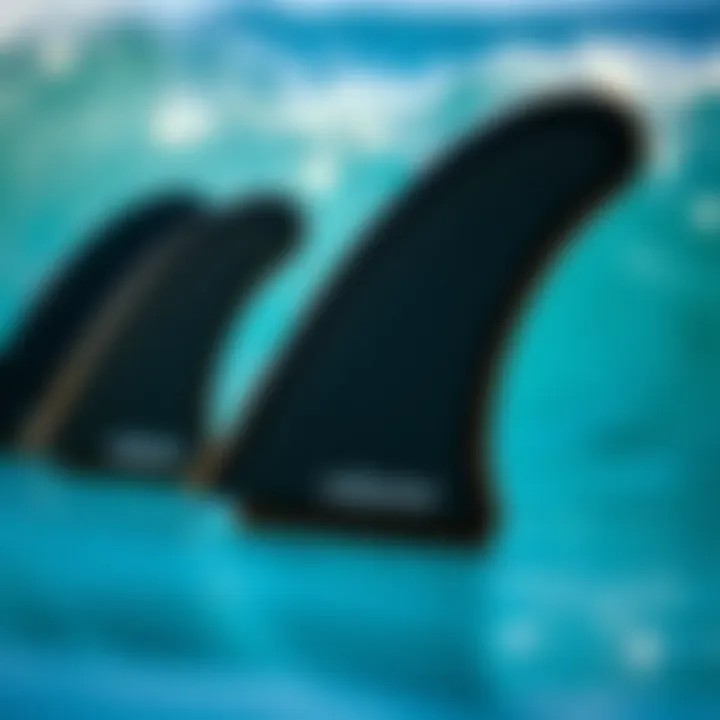
In the ever-evolving world of surfing, the nuances of equipment can make a world of difference. Among the vital tools that surfers wield, Odysea surfboard fins stand out as pivotal components, impacting not just maneuverability but also overall ride performance. By focusing on the design, functionality, and advancements of these fins, one can truly grasp the importance they hold in enhancing a surfer's experience. From beginners finding their footing on smaller waves to seasoned pros tackling giant swells, understanding the intricacies of surfboard fins becomes essential.
This article will unpack various aspects of Odysea surfboard fins, examining the technological feats they embody, scrutinizing compatibility across different boards, and providing maintenance guidance for longevity. Whether you’re pursuing to upgrade your gear, or just looking for ways to optimize your ride, there's a wealth of valuable information here.
Techniques and Skills
Wave Riding Essentials
Navigating the ocean's ebbs and flows demands a particular set of skills, and this is where the choice of fins can dramatically influence your technique. Choosing the right Odysea fins can help achieve the balance between speed and control. For instance, a fin that is broader at the base may offer stability, which is crucial for novice surfers attempting to find their balance. In contrast, a narrower fin could facilitate sharper turns, which might appeal to those with more experience.
Furthermore, proper fin placement can be just as important. Each surfing style, whether it’s carving down the line or making rapid direction changes, could benefit from fin adjustments.
Advanced Maneuvers and Tricks
Once you've mastered the basics, the horizon opens up to more flashy tricks. Hang tens and cutbacks require precise handling, and the right Odysea fin setup can make those moves not only achievable but also more elegant. For example, a thruster setup—three fins strategically placed—provides the optimal balance for tighter turns, thus unlocking the potential for advanced performance.
Additionally, exploring the various materials used in Odysea fins, such as fiberglass versus plastic composites, can inform your choices for maneuverability and responsiveness. Finding a fin that complements your surfing style can lead to the seamless execution of your favorite tricks.
Equipment and Gear
Surfboard Reviews and Comparisons
When diving into the world of surfboards, it’s always a good idea to consider the synergy between the board and fins. Odysea surfboards are generally lauded for their aesthetic appeal and functionality. They are designed with specific fin boxes that accommodate matching Odysea fins, allowing a smooth integration that keeps the ride consistent. Reviewing different boards alongside their recommended fin options can give you insight into what works best in varied surf conditions.
For instance, the Odysea Log has a different fin requirement compared to the Odysea Fish. Each design caters to distinct terrains and wave sizes, ensuring that surfers can achieve optimal performance based on their choice of equipment.
Essential Accessories for Every Surfer
Every surfer knows that beyond just fins, certain accessories enhance the overall riding experience. Some essentials include:
- Leashes: Prevent your board from floating away after a wipeout.
- Wax: Ensures your feet grip the board securely during rides.
- Board bags: Protect your gear from damage during transit.
Having a handy collection of accessories not only supports longevity but also improves safety while out riding your favorite waves.
Remember, each component, from fins to accessories, plays a role in refining your surfing experience. Don’t overlook the details.
As you explore the world of Odysea surfboard fins and the broader surfing equipment ecosystem, you arm yourself with knowledge that could redefine your relationship with the ocean.
Preface to Odysea Surfboard Fins
Surfing is not just a sport; it's a way of life and a pursuit of perfection. Among the many elements that contribute to the soul of surfing, fins hold a significant place. This rings especially true for Odysea surfboard fins, which not only enhance the overall performance of a surfboard but also define the riding experience itself. Whether you are a novice carving your first wave or a seasoned rider facing monster swells, understanding these fins can lead to more satisfying outings on the water.
When delving into surfboard fins, it becomes clear that they aren’t merely additions to a board; they are integral in shaping how a surfer interacts with the ocean. The design and materials of Odysea fins are crafted to optimize performance in various surf conditions, thereby making every wave ridden a chance for adventure. Alongside these aspects, the selection process for the right fin cannot be overlooked, as it directly correlates with speed, stability, and maneuverability, which contributes to the balance of the surfboard itself.
Overview of Surfboard Fins
Surfboard fins come in different sizes and shapes, each tailored with a purpose. At their core, fins serve the function of providing grip and enabling directional control when navigating through waves. Think of them as the sailing rudder of a boat; without the right setup, one can easily drift away from the intended path.
Types of fins include single, twin, thruster, and quad, each representing a unique technology suited for various riding styles.
- Single fins are often found on classic longboards and are favored for their smooth, stable rides.
- Twin fins deliver speed and looseness, suitable for carving and performing tricks.
- Thruster fins, with three fins, balance control and maneuverability. They’re typically the most common choice among surfers looking to mix performance with stability.
- Quad fins, which consist of four fins, provide an increase in speed and drive, ideal for experienced riders in bigger waves.
Significance of Fin Selection
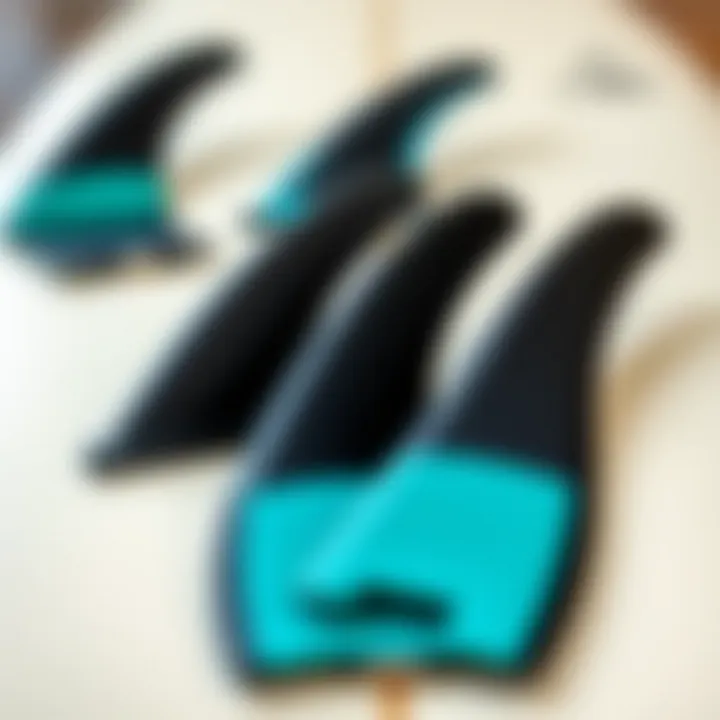
Choosing the right fin or fin setup can mean the difference between a ride that feels comfortable and one that is more akin to wrestling with the ocean. For many surfers, this selection becomes a personal journey where individual style meets functional necessity. For instance, a surfer who enjoys tight turns might lean towards a more responsive fin shape, while a rider looking for more straight-line speed might opt for a different fin configuration.
In addition to performance preferences, one must also consider the surf conditions and personal skill level when selecting fins. Beginners often benefit from larger, more stable fins that provide easy control as they learn the basics. On the other hand, advanced surfers may choose smaller, more customizable fins for greater feedback and agility during complex maneuvers.
"Finding the right fin can be as important as selecting the right board; it completes the package you ride on the waves."
Design and Technology Behind Odysea Fins
The technology behind Odysea surfboard fins extends beyond mere aesthetics. It's the cornerstone of how a board performs in the water, influencing everything from speed to turning capabilities. When choosing the right fins, surfers should appreciate how each design component works together. The marriage of science and craftsmanship in each fin delivers a unique riding experience that caters to different surf conditions and personal styles. Awareness of fin design can effectively translate into better performance on the waves.
Material Composition
Odysea fins are crafted from a variety of materials, each bringing its own unique set of properties that affect durability and performance. High-quality plastic forms the backbone of many fins, providing a resilience that can withstand the constant abuse of salty water and hard landings. However, some models also incorporate fiberglass, known for its lightweight profile and strength. Fiberglass fins generally offer a more flexibly responsive ride, making them suitable for surfers seeking a little extra maneuverability.
Additionally, utilizing carbon fiber in some of Odysea's offerings creates a fin that boasts similar durability but at a fraction of the weight. Surfers keen on performance should understand how the choice between plastics and lighter materials may also change their feel in the water. In summation:
- Plastic: Durable and affordable but can lack sensitivity.
- Fiberglass: Lighter and offers better responsiveness for sharper turns.
- Carbon Fiber: Top-tier performance with minimal weight, ideal for serious surfers.
Fin Shapes and Profiles
The shape of a fin has a profound impact on how a surfboard behaves in the water. Odysea fins come in various profiles, catering to different surfing styles. For instance, a larger fin offers more grip and stability, making it ideal for powerful surfers who like to carve sharp turns. Conversely, smaller fins may sacrifice some stability but yield a looser feel, which many surfers prefer for tricks.
Consider these profiles:
- Curved Fins: Enhance drive and speed, giving you that extra boost when catching waves.
- Straight Fins: Provide predictable handling and better tracking, perfect for a longboarder's smooth ride.
- Winged Fins: Incorporate a wing that helps in optimizing lift. These are quite popular among experienced surfers looking for a solid mix of speed and maneuverability.
By understanding how different shapes interact with water, one can appreciate the nuanced shifts in performance that come with choosing the right fin design.
Performance Enhancements
Performance enhancements in Odysea fins take into account the nuances of wave riding and how these can be finely tuned to fit individual surfer needs. With features like flex patterns and dimensions specifically engineered to optimize lift and speed, these fins present a more personalized riding experience.
Surfers often experiment with fin configurations to discern the precise blend that best suits their style. A classic example includes switching between a thruster setup—three fins offering balanced control—and a quad setup for added speed and looseness. Depending on the board type and the surfer's individual style, various configurations may yield:
- Increased Acceleration: A fin built for speed allows surfers to shoot down the line.
- Greater Control: Certain designs offer stability when carrying momentum through turns.
- Enhanced Responsiveness: Fins that flex just right can improve quick directional changes during rides.
By keeping an eye on these performance enhancements, surfers can effectively choose the Odysea fins that fulfill their riding aspirations, ensuring their gear works in harmony with their surfing style.
"Choosing the right fin is like finding the missing jigsaw piece that completes your surfing experience."
The understanding of these multifaceted design and technology aspects lays the groundwork for enhancing one's surfing performance, forming a bridge between the surfer's skill and the capabilities of their equipment.
Varieties of Odysea Surfboard Fins
Exploring the varieties of Odysea surfboard fins is not just an academic exercise; it's fundamental to optimizing your performance in the water. Each fin type comes with its own set of pros and cons, and understanding these distinctions allows surfers to tailor their setup to match their personal style and the specific conditions they face. Whether you’re a beginner still finding your footing or an experienced rider seeking precision, you’ll find that these fin varieties can make all the difference in your ride.
Twin Fins
Twin fins, as the name suggests, consist of two fins positioned on the tail of the surfboard. They are often loved for their ability to generate speed and help with smooth, flowing rides. The design allows for loose turns and excellent maneuverability, especially in smaller waves. If you like the idea of cutting through the water like a hot knife through butter, twin fins might be your cup of tea.
However, it's worth mentioning that while they excel in ease of movement, twin fins can feel less stable in choppy waters compared to other fin setups. They are ideal for those who enjoy a playful surfing style and tend to ride boards that are shorter and wider.
Thruster Fins
The thruster setup features three fins - one center fin and two side fins. This design has become somewhat of a gold standard in the surfing community. Thruster fins strike a balance between stability and agility, making them perfect for various conditions. You can expect enhanced grip when turning or cutting through waves, which is invaluable when trying to hold your line during challenging swells.
Moreover, they allow for dynamic performance, enabling tight turns and solid speed. It’s like having the best of both worlds, giving surfers the confidence to push their limits while maintaining a measure of control. Many experienced surfers swear by the thruster setup for its versatility, and it’s a popular choice across a wide array of surfboard shapes.


Quad Fins
Quad fins consist of four fins placed on the surfboard, typically arranged in a configuration of two fins on each side. This configuration provides additional speed and stability, especially in bigger waves. The quad setup is appreciated for its ability to offer a looser feel, allowing for smooth transitions and fast rides.
Remember though, if you prioritize speed, quads can often outperform other fin types. A common misstep is assuming that additional fins will only create drag; interestingly, quads can lift the board, allowing for a quicker ride. Surfers who like to plow through the water at high speeds often favor this arrangement, as it provides the necessary support when tackling steep waves.
Single Fins
The single fin is the classic choice for longboards and traditional shortboards. With just one fin positioned at the tail, this setup offers a unique glide, akin to the smooth, flowing lines found in classic surf styles. Single fins emphasize a steadier ride, making them excellent for cruising on smaller swells.
While they may lack some of the maneuverability found in thruster or quad setups, single fins help achieve a fluid, carving style that many surfers find appealing. They're great for applying a bit of nostalgia to your surf experience, connecting you to the roots of the sport. However, keep in mind that if maneuverability is a priority for you, a single fin might feel a bit limiting, especially in aggressive surf conditions.
How Odysea Fins Affect Performance
Odysea surfboard fins play a pivotal role in how a surfboard performs, acting as the bridge between the board and the water. They determine not just the speed at which the board glides but also how well it holds steady over waves, allowing surfers to carve and maneuver with ease or struggle against the elements. The selection of fins is crucial – it’s not simply about aesthetics but about how they fundamentally shape the surfing experience. Understanding the nuances of how Odysea fins affect performance can lead to better tuning of your setup, enhancing both your comfort and skill on the waves.
Speed and Stability
When discussing speed, Odysea fins are often at the forefront of performance debates. The design and configuration of fins can considerably impact how quickly a surfboard can pick up momentum. Wider fins, for example, can provide more lift, helping surfers achieve greater speeds when paddling out or riding a wave. However, with added width comes the risk of reduced agility; thus, every surfer must strike a balance based on their skill level and the conditions they are surfing in.
Stability is another key aspect heavily influenced by the choice of fins. When fins are appropriately chosen and strategically placed, a surfboard can maintain its trajectory even in rough waters. This ensures that the surfer can fully engage with the wave without worrying about losing balance or being thrown off course.
"The right fins can mean the difference between a thrilling ride and a wipeout."
Maneuverability
Maneuverability directly correlates to the surfer's ability to execute tricks and turns. Odysea fins, designed for performance, allow for smoother transitions between maneuvers. Fins that are angled or shaped to reduce drag permit quicker directional changes. For instance, a thruster configuration, which employs three fins, is favored by many for its ability to offer a blend of speed and control, allowing surfers to pivot effortlessly.
Conversely, if a surfer opts for larger, stiffer fins, while they might experience increased stability, their ability to maneuver the board may diminish. It becomes essential to understand one's personal style and the wave condition to tailor fin selections accordingly.
Control in Various Conditions
Control on the waves is paramount, and the right choice of Odysea fins can empower a surfer to easily handle diverse surf conditions. In small, mushy waves, for instance, a surfer may lean towards smaller, more flexible fins that can adapt and pivot freely. On the other hand, in powerful, steep waves, larger fins made from stiffer materials provide the necessary grip and responsiveness.
The ability to maintain control also depends on how deeply the fins dig into the water. This digging ensures effective drag can be transformed into propulsion, which is vital when trying to navigate through powerful currents or steep drops.
To summarize, the choice of Odysea fins impacts several key areas regarding performance, notably speed, stability, maneuverability, and control across various wave conditions. Making informed selections can drastically enhance the surfing experience.
Compatibility with Different Surfboards
When it comes to surfboards, choosing the right fins can be as crucial as selecting the right board itself. Odysea surfboard fins offer a variety of options, but not every fin will work seamlessly with every type of board. This compatibility is essential for maximizing performance and ensuring that surfers can enjoy their ride to the fullest.
Fitting Systems Explained
Fins typically come with a few fitting systems that determine how they attach to the surfboard. Understanding these systems can make a world of difference for a surfer. Here are a few common fitting systems:
- FCS (Fin Control System): This is widely popular and often found on modern surfboards. FCS fins slide into a track on the board, secured by small set screws. This system allows for quick fin changes, adapting to different conditions.
- Future Fins: This system uses a different setup, where fins fit into boxes on the board. They require a tool for installation and removal, but provide a more secure fit compared to FCS. They’re often preferred by those who prioritize stability.
- Single Tab Systems: Some fins feature a single tab design that fits into a corresponding slot on the board. This type allows for easy installation and removal while maintaining a tight fit.
What surfers need to keep in mind is that not all surfboards will accommodate every fin system. It's crucial to check what fitting system your board supports. >
"Choosing the right fin setup is half the battle; ensuring it matches your board is the other half!"
Choosing the Right Setup
Selecting the right fin setup goes beyond just fitting. Several factors come into play to optimize performance based on surf conditions, skill level, and personal preference. Here’s a closer look at these considerations:


- Surf Conditions: Flat-faced waves might benefit from a set of fins that enhance maneuverability, while choppy or fast waves could require fins designed for control and stability.
- Skill Level: For beginners, a simple thruster setup may deliver the perfect balance between speed and control. Intermediate or advanced surfers might prefer more specialized setups, like twins or quads, to unlock their potential.
- Personal Preference: Ultimately, comfort and style are key. Some surfers might feel more confident using specific fin shapes or configurations that match their riding style.
Often, it’s wise to experiment with different fins. A system that feels great one day might not perform as well the next due to changing conditions or personal development. Take note of changes in performance when switching setups, as this can guide your long-term fin choice.
By examining both fitting systems and how to choose the right one, surfers can pave the way for a more enjoyable, effective experience on the waves. With Odysea fins, understanding compatibility stands as the first step to heightening one’s surfing escapades.
Care and Maintenance of Odysea Fins
Taking care of your Odysea surfboard fins is key if you want them to perform well over time. Just like a car or any other piece of gear, regular maintenance can make a world of difference. Keeping your fins clean and properly stored not only helps extend their lifespan but can also affect your surfing performance. A well-maintained set of fins can lead to better stability, improved maneuverability, and a smoother ride. Here’s how to get the most out of your Odysea fins.
Cleaning Practices
Cleaning your Odysea fins might seem like a trivial task, but it’s fundamental for preserving their integrity. Saltwater, sand, and dirt can accumulate on the fins and create wear and tear that diminishes performance over time. Here’s a straightforward approach to keeping your fins spotless:
- Rinse After Every Use: Immediately after surfing, rinse your fins in fresh water. This simple step removes salt and sand that could otherwise corrode the material.
- Brush Gently: Use a soft brush or cloth to clean any stubborn grime. Be careful not to scrub too hard as scratching the surface can affect their hydrodynamic qualities.
- Check for Damage: While cleaning, inspect the fins for any cracks, chips, or signs of stress. Addressing small issues early can save you from larger problems down the line.
- Use Specialized Cleaning Products: When necessary, use products specifically designed for surfboard fins. These can help maintain the material and prevent deterioration.
Maintaining this cleaning routine will pay dividends in how your fins perform in the water.
Storage Tips
Storing your Odysea fins properly can significantly impact their lifespan and performance. Here are some practical storage tips to consider:
- Keep Them Dry: Always ensure that your fins are completely dry before storing them. Moisture can lead to mold or corrosion, especially if they are made of certain materials.
- Protective Case: Invest in a fin bag or simply use a small cloth bag to protect your fins from scratches and dings.
- Temperature Management: Avoid storing your fins in direct sunlight or in extremely hot spaces, like a car during summer. Both can cause warping and affect their performance.
- Don’t Stack Heavy Items on Them: When storing your gear, avoid placing heavy objects on top of your fins. Pressure over time can lead to deformities.
In summary, approaching the care and maintenance of Odysea fins with diligence prepares you for more pleasant and effective rides. Regularly cleaning and properly storing your fins ensures they remain in top shape for as long as possible, allowing you to focus on what really matters—enjoying the surf.
Expert Recommendations for Odysea Fins
When navigating the vast ocean of surfing gear, it's crucial to have a firm grasp of your equipment, particularly your surfboard fins. The world of Odysea fins can seem daunting, but having the right guidance can significantly enhance your surfing experience. This section aims to unravel some expert recommendations that assist surfers in making informed decisions, ensuring their fins complement their skill level and riding style. Understanding these components is essential for not just improving performance but also maximizing enjoyment on the waves.
Selecting Fins Based on Skill Level
Choosing fins is not merely a matter of preference; it can truly make or break a session at the beach. As each surfer evolves in their journey from a rookie to a seasoned pro, the choice of fins should adapt accordingly. Beginners generally benefit from larger, more stable fins. This allows them to comfortably maneuver their board while building confidence. For example, Odysea’s larger twin fins can provide the extra surface area and grip needed for newcomers to feel secure while paddling and catching waves.
Conversely, advanced surfers often prefer smaller, more agile fins that allow for tighter turns and more speed. A typical recommendation for pros leans towards thruster setups with smaller rear fins, enabling them to perform tricks and ride aggressively. The fine line here is balancing the need for speed with control, tailored to an individual's unique style.
Beyond just the size, materials and shapes also play a role. Beginners may want to start with basic nylon fins as they are more forgiving. As skills develop, looking into composite or fiberglass fins can prove beneficial due to their rigidity and performance enhancement.
"Your fin choice has a profound impact on your ride; it’s the unsung hero of your surfboard."
Best Practices for Customizing Setup
After maneuvering through the selection of fins, the next step involves setting them up correctly for your surfboard. Here are some best practices aimed at ensuring an optimal ride:
- Understand Your Board’s Fitting System: First and foremost, identify the fin box system in your surfboard, whether it’s FCS, Futures, or something else. Each system has its particular set of compatible fins.
- Experiment with Angles: The angle at which fins are mounted can drastically affect board performance. A slight toe-in angle can enhance responsiveness during turns. Conversely, a more parallel placement can offer stability. Don’t hesitate to experiment here; small adjustments can lead to significant changes in rideability.
- Mix-and-Match Fins: Don't feel confined to a single fin setup. Try mixing different fin sizes or types to discover your preferred combination. Some surfers report enhanced sensitivity and control by using a mix of different fins in their thruster setups.
- Regularly Review Setup Based on Conditions: Adjust your setup based on the surf conditions. On stormy days with heavy waves, you may want stiffer fins. Conversely, smooth swells might invite a more flexible setup.
In summary, finding the right fins isn’t just about selecting a product; it’s about understanding how they interact with your skill level and the surf conditions. Through thoughtful selection and customization, you can elevate not just your performance, but your entire surfing experience.
Ending
When wrapping our heads around the world of Odysea surfboard fins, it's essential to appreciate their influence on overall surfing performance. Fins aren’t just accessories; they are integral components that define how a surfboard interacts with the water. Selecting the right fin setup can mean the difference between a thrilling ride and one fraught with difficulty. Understanding the intricate elements that contribute to fin function helps surfers—from beginners to seasoned pros—make informed choices that can elevate their surf experience.
Summary of Key Points
- Design and Structure: The build of Odysea fins—from materials used to the shape and profile—plays a crucial part in performance. These aspects influence speed, control, and maneuverability.
- Varieties of Fins: Odysea offers a range of fin types, including twin, thruster, quad, and single fins, each catering to different surfing styles and conditions. Knowing when to employ each fin type can enhance one's riding experience.
- Performance Dynamics: This article highlighted how fins directly affect aspects like speed and stability, vital for navigating various wave conditions effectively.
- Compatibility: The importance of ensuring that fins suit specific surfboards cannot be overstated. This consideration guarantees optimal performance and longevity of both fins and boards.
- Maintenance and Care: By practicing good care habits, surfers can enhance the lifespan and functionality of their Odysea fins, leading to better performance over time.
This encapsulation sets the stage for surfers to make choices grounded in understanding and personal style. Ultimately, the right fin can transform a surfboard from just a piece of equipment into a dynamic extension of the rider.
Future Trends in Fin Technology
As we gaze into the crystal ball of surfboard fin technology, there are several emerging trends that enthusiasts should keep an eye on:
- Eco-Friendly Materials: The surf industry is embracing sustainability, and fin manufacturers are increasingly exploring biodegradable and recycled materials. This shift not only meets ethical standards but can also enhance performance by reducing weight without sacrificing strength.
- Smart Technology: There’s a budding interest in integrating smart technologies into surf fins. Imagine fins outfitted with sensors that provide feedback on performance metrics, allowing surfers to fine-tune their ride based on data.
- 3D Printing Innovations: This manufacturing technique is making waves in the surf community. Custom fins tailored to individual surfer preferences or specific wave conditions can be produced with ease, leading to a more personalized surfing experience.
- Dynamic Design Variability: Future fins may include elements that adapt their shape dynamically while in the water. This feature could optimize performance based on wave conditions in real-time, offering surfers versatility previously unattainable.