Beginner's Guide to Surfing in Oahu: Tips & Insights


Intro
Surfing in Oahu isn't just a sport; it's a way of life. The island's beautiful coastlines and consistent waves make it a prime spot for beginners eager to catch their first rides. Each wave tells its own story, and for those willing to listen and learn, it can be a thrilling adventure.
As you prepare to dive into the ocean, understanding the foundational techniques and essential gear will not only enhance your experience but also ensure safety in the water. In this article, we will unravel the skills required to conquer those early waves while respecting the rich surfing culture that thrives in Hawaii.
Along the way, you'll discover the tips and tricks that seasoned surfers wish they had known when they first dipped their toes into the waves. Let's ride the tide together and get you set for an unforgettable journey in the waters of Oahu.
Preface to Surfing in Oahu
Surfing is not merely a sport in Oahu; it’s an intrinsic part of the island's identity. With pristine waves and a backdrop of lush landscapes, its surf culture beckons beginners with the promise of both adventure and community. This section sets the stage for what’s to come in the article. Understanding the significance of surfing in Oahu is vital, as it speaks to the island's deep-rooted traditions while also shining a light on the camaraderie among surfers.
Overview of Oahu's Surf Culture
Oahu's surf culture is rich and diverse, drawing influences from ancient Hawaiian traditions and modern global practices. It goes beyond just the act of riding waves; it embodies a lifestyle defined by connection—to the ocean, nature, and each other. Surfing in Oahu carries a legacy of respect for the sea, which local surfers refer to as "Ke Kai," translating to "the ocean." Surf spots like Waimea Bay and the North Shore are not just recreational areas; they're sacred places that have witnessed countless stories of triumph, struggle, and cultural significance.
Surfers in Oahu often engage in the local customs that accentuate this culture, which include the practice of "pule" (prayers) and offering thanks to the ocean's spirit. These traditions remind surfers of their responsibility to the environment. The community is also tight-knit; local surfers readily share tips and experiences, creating an inviting atmosphere for newcomers. The sense of belonging is palpable whether you’re watching a sunset from the beach or paddling out into the water for the first time.
Why Oahu is Ideal for Beginners
Oahu stands out as a prime destination for beginner surfers for numerous reasons. It’s not just about the waves; the island wonderfully balances beginner-friendly conditions with breathtaking scenery.
- Gentle Waves: Many of Oahu's beaches have consistent, manageable waves which are perfect for those just starting to find their feet on a surfboard. For instance, Waikiki Beach provides smaller swells that are ideal for learning.
- Professional Guidance: The abundance of surf schools and experienced instructors available in Oahu means there’s no need to go it alone. Guidance from professionals can accelerate learning and enhance safety during your surf journey.
- Community Support: The surfing community in Oahu is welcoming. Novice surfers can often find themselves quickly befriended by locals who are eager to share their love for the ocean and offer support.
- Variety of Spots: Different beaches cater to different skill levels. Beginners can select spots like Chuns Reef and Puena Point where conditions are less daunting, ensuring a focus on skill development without feeling overwhelmed.
In summary, Oahu is a paradise for novice surfers with a warmth and culture that complements the learning experience brilliantly. With rich traditions and supportive locals, it's a blend that inspires newcomers to embrace surfing and its lifestyle.
Choosing the Right Surf Spot
Choosing the right surf spot is paramount, especially for beginners looking to catch their first wave. It's not just about finding a nice beach; it’s about understanding how the environment will influence your surfing experience. Each spot has its own character, dictated by factors like wave conditions, skill level requirements, and crowd sizes. When you choose wisely, you can practice safely while gaining confidence in your abilities. A well-chosen location will enhance your progression and enjoyment, making it easier to work toward your surfing goals.
Popular Beginners' Beaches in Oahu
Oahu is famous for its surf culture, and it offers a variety of beaches ideal for novice surfers. Below, we’ll explore three popular places where you can dip your toes in the water and learn the ropes.
Waikiki Beach
Waikiki Beach is often viewed as the quintessential surfing locale, and for good reason. Its gentle, rolling waves make it perfect for learners. The water here is often calm, which reduces the intimidation factor. You’ll find plenty of surf schools dotting the sand, making it easy to find a lesson or rent a board.
A highlight of Waikiki Beach is the historic Duke Kahanamoku statue. This monument honors the father of modern surfing and serves as a great photo op aside from being a nod to surf culture. However, do keep in mind that Waikiki can get crowded, especially during peak tourist seasons. More surfers in the water can mean a less forgiving environment when you’re just starting.
Chuns Reef
Chuns Reef stands out for its serene beauty and family-friendly atmosphere. Less crowded than some other spots, Chuns offers consistent waves at a beginner-friendly size. Here, you will often find a mix of local surfers and learners, creating a welcoming vibe. The sandy bottom makes it a little safer for wipeouts—an inevitable part of learning.
One unique feature of Chuns Reef is its stunning backdrop, providing a picturesque view while you’re waiting for those waves. On the flip side, it might require a short walk from parking, so having water and essentials close at hand is important. It’s also crucial to keep an eye on the weather and tide reports, as conditions can change.
Puena Point
Puena Point is another gem that's good for beginners, especially those trying to avoid the hustle and bustle of more popular beaches. The surf here is typically friendly for novices. The waves break in a way that allows for longer rides, which can boost the confidence of newer surfers. Locals often appreciate the more laid-back atmosphere, which can help alleviate the pressure many beginners feel.
However, be cautious: during certain times of the year, waves can get a little more challenging, particularly if you’re not prepared. It's also worth noting that the access can be tricky, so checking maps and routes beforehand will ensure a smoother trip.
Understanding Wave Conditions
To really advance your surfing skills, it’s essential to grasp how wave conditions change with the tides, winds, and weather. Each spot can deliver a unique experience based on these variables. Familiarizing yourself with the local surf report is a must.
Always check the conditions before heading out. Here are some important components:
- Size of the Waves: Knowing whether you’re facing small, medium, or large waves helps in selecting the right spot.
- Tides: High and low tides can change how waves break, affecting surfability at various locations.
- Wind Direction: Offshore winds can create clean waves, while onshore winds can create choppy water, which is not ideal for beginners.
By understanding these factors, you can not only choose the right spot but also enhance your overall surfing journey. Remember, the ocean is a dynamic environment and learning to read it is a skill worth developing.
Essential Surfing Gear
When venturing into the realm of surfing, particularly as a beginner in a place as vibrant as Oahu, having the right gear is both a necessity and a joy. Not only does suitable surfing equipment enhance your performance, but it also significantly contributes to your safety and comfort in the water. Hence, understanding the essential surfing gear is crucial for anyone eager to hit the waves. As you embark on your surfing journey, let’s delve into the pieces that will become your companions in the ocean, setting the stage for many memorable surf sessions.
Surfboards for Beginners
Soft-Top vs. Hard-Top Boards
When it comes to selecting a surfboard, two types often come into play: soft-top and hard-top boards. Soft-top boards are typically favored by beginners due to their safer nature. These boards are designed with a foam top surface, significantly reducing the risk of injury if you fall or collide with someone. Their buoyant quality also makes paddling easier, allowing beginners to catch waves with greater success.
On the other hand, hard-top boards are usually seen as performance boards, but they can be quite a handful for novices. While they provide more speed and sharper turns for experienced surfers, their rigid surfaces can lead to some nasty bumps if you're still figuring out how to balance. Therefore, soft-top boards stand out as a beneficial choice for beginners due to their forgiving design and support, helping you gain confidence in your abilities right from the get-go.
Selecting the Right Size and Shape
Choosing the right size and shape of surfboard is another fundamental aspect that can influence a beginner’s surfing experience immensely. Surfboards come in various sizes and shapes, and each is tailored for a different type of surfer and wave condition. For beginners, wider and longer boards are often recommended. These boards provide stability and easier paddling, allowing you to focus on kite boarding instead of wobbling.
A common mistake is picking a short board right off the bat, thinking it will give you agility and speed. However, beginners usually find that longer boards help in developing fundamental skills instead. Another characteristic worth noting is the shape: a wider nose can help in catching waves, while the rocker (the curve of the board) affects how well it rides on various wave types. Getting this aspect right not only enhances your surfing capabilities but also helps in building a solid foundation for your future surf adventures.
Wetsuits and Other Accessories
Wetsuit Types
As ocean temperatures can vary, a wetsuit is an essential piece of gear for those learning to surf in Oahu. Wetsuits come in several types, including full suits, spring suits, and even shorties. For beginners, a full wetsuit may provide the best coverage for warmth and protection, allowing you to surf comfortably no matter the conditions.
A full wetsuit is designed to keep your body warm and buoyant, which is essential during the inital learning curve when you spend a lot of time in cool waters. Additionally, the added protection it offers against abrasions when falling can be quite beneficial. While some might find them constricting, new manufacturing technologies allow for greater flexibility than in the past.Choosing the appropriate wetsuit not only enhances comfort but also safety, enabling you to focus on mastering those essential surfing skills.
Leashes and Wax
Lastly, let’s talk about leashes and wax, two small but critical accessories. A surfboard leash is a cord that connects your board to your ankle, preventing it from drifting away when you wipe out. This is vital, especially in beginner classes, where it’s not unusual to lose your board in the surf. Getting a sturdy leash ensures you don’t have to chase your board down the beach every time you fall, which can be quite embarrassing and exhausting.
Wax, on the flip side, is the secret sauce that keeps surfers connected to their boards. It provides grip on the board, ensuring you don’t slide off when you're trying to stand up. There are different types of wax suited for varying water temperatures, making it vital to choose the right one for Oahu’s waters. By mastering the optimal application of wax and understanding leash selection, you significantly enhance your surfing experience, ensuring your focus remains on the waves, not your gear.
"The right gear is not just about performance, it is also about safety and comfort when diving into a new adventure like surfing."
By effectively selecting and understanding essential surfing gear, beginners can enjoy their surfing lessons in Oahu with much more ease and pleasure.
Basic Surfing Techniques
When you’re about to ride the waves in Oahu, mastering basic surfing techniques isn't just a feather in your cap; it’s the glue that holds together your entire experience on the water. Techniques such as paddling and standing up on your board are foundational skills that not only enhance your ability to surf but also ensure your safety and enjoyment while tackling those beautiful Hawaiian waves. Understanding these techniques makes the whole adventure much more rewarding, turning a seemingly intimidating sport into an accessible one for beginners.
Paddling and Getting in Position
Paddling is the heartbeat of surfing. This is how you maneuver your board through the water, position yourself to catch waves, and ultimately, it's the action that propels you into the thrilling ride that awaits.
When you first hit the water, lie on your surfboard, keeping your body center. This balance is make-or-break; too far back, and the nose of the board dips down, too far forward, and you’ll faceplant right into the water. Think of it as setting the stage before the curtain rises.
A few key tips for effective paddling include:
- Maintain your core strength: Engage your core while paddling. This will keep you stable and help you paddle longer without tiring out too quickly.
- Use alternating arms: Paddle with one arm then switch to the other in a rhythmic motion. This way, you can cover more ground with less effort.
- Look forward: Keeping your gaze ahead will help you spot approaching waves and how to position yourself for them. Don’t let your head droop; stay alert.
Once you’ve mastered paddling, the next challenge is to get into the right position when you’re about to catch a wave. It’s about timing and awareness. You should be paddling into the wave as it approaches, positioning yourself roughly two-thirds back on your board. Too far forward, and once again, you'll lose your balance; too far back, and you might miss the wave altogether.
Standing Up on the Board
Standing up on the board is like learning to walk all over again, but with the added thrill of doing it on a moving surfboard. This step is where a lot of beginners find themselves either exhilarated or frustrated, but with practice and patience, it really does come together.
- Pop-Up Technique: The most common method is to perform a pop-up, which is basically thrusting yourself up from lying down to standing in a swift, fluid motion. It’s best to practice this on land first.
- Foot Placement: Your foot positioning is essential. The back foot should sit over the tail of the board, while the front foot remains near the center. Experiment to find your sweet spot, as this can vary from person to person.
- Balance and Stance: Balance comes from your knees and core. Don't be stiff; stay relaxed. Taking a wider stance can help with stability, especially when you begin riding waves.
- Start from your paddling position and place your hands under your shoulders.
- Push your upper body up while bringing your feet underneath you in one motion, landing your feet shoulder-width apart.
- Your knees will naturally bend, keeping your center of gravity low for balance.
Once you get the hang of standing, the joy of surfing will unfold.
To sum up, understanding how to paddle efficiently and effectively stand up will put you on the path to becoming a confident surfer. The waves of Oahu await, and with these skills in your toolkit, you’ll be ready to dive in. Remember, every pro was once a beginner, so don’t rush your progress. Just keep practicing, hitting those waves, and enjoying the ride.
Safety First: Essential Precautions
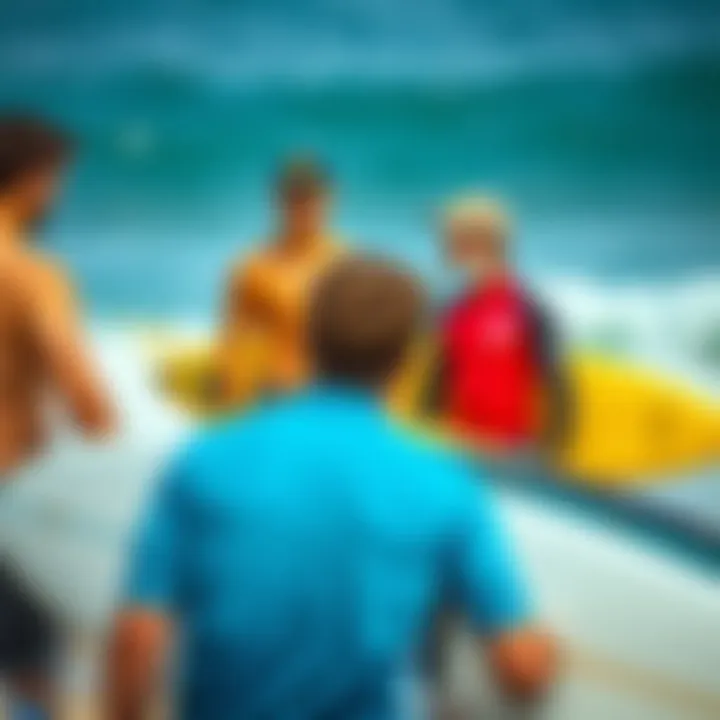
Surfing can be an exhilarating adventure, but it demands a certain respect for the ocean and its unpredictable nature. Before heading out onto those iconic Oahu waves, it's critical for beginners to get a grip on the essential safety precautions. Knowledge is power, and understanding these aspects can make the difference between an unforgettable experience or a dangerous one.
Understanding Rip Currents
One of the stark realities of surfing in the ocean is the presence of rip currents. These fast-moving currents can pull even seasoned surfers off course. For beginners, it’s vital to understand what they are and how to safely navigate around them. Rip currents usually form in places where water flows back into the ocean after reaching the shore. They can be tricky 'cause they appear as narrow channels of churning water.
Here’s how to deal with rip currents:
- Stay Calm: Panicking won't help. If caught in one, the first step is to stay calm and conserve your energy.
- Don't Fight the Current: Swimming directly against a rip can be futile. Instead, try swimming parallel to the shore until you're out of the current's grip.
- Signal for Help: If needed, waves or yelling for help can grab the attention of lifeguards or fellow surfers.
- Know Where to Surf: Always assess beach conditions before you head out. Pay attention to flags and safety signs on the beach.
"Knowledge of rip currents can save your life. Understand the ocean's behavior, and you will surf with more confidence."
Respecting Ocean Etiquette
Beyond the physical safety measures, there's also a cultural aspect known as ocean etiquette. Just like life has its rules, so does the ocean community. Respecting the ocean and fellow surfers not only makes for a pleasant surf environment, but it also enhances your personal experience.
Here are a few etiquette tips:
- Don’t Drop In: If someone is already riding a wave, don’t paddle in front of them to catch it. This can lead to collisions, and tensions can rise quickly.
- Stay Aware: Always keep your head on a swivel. Look around for others surfing near you, and make sure you are not a hazard to them.
- Share the Waves: Especially on busy beaches like Waikiki, be mindful of other surfers. Allow multiple surfers to take turns on waves.
- Clean Up After Yourself: The ocean is a gift we must protect. Always take your trash with you when you leave the beach to keep it clean and enjoyable.
Incorporating these safety precautions not only fosters respect but also establishes a safer and more harmonious surfing environment for everyone. As you greet the majestic waves of Oahu, remember: safety first leads to more enjoyable rides.
Learning Resources for Beginners
As you set out on your surfing journey in Oahu, having access to good learning resources is absolutely crucial. Not only do they help sharpen your skills, but they also enhance your overall experience. Surfing isn't just about paddling out and catching waves; it's an intricate dance between the ocean, your board, and yourself. The right resources can provide valuable insights into techniques, safety, and even cultural aspects of the sport. Let’s break down some effective ways to get the most out of these learning avenues.
Finding Surf Schools and Instructors
Oahu is dotted with surf schools ready to offer guidance to newcomers. Choosing a surf school is like picking a café; you want one that resonates with your vibe. Some schools can be quite commercial, offering group lessons that may flood the waves with students. Others focus on personalized attention, making sure that you get individual feedback on your paddling and balance.
- Reputation: Check reviews on sites like Yelp or Google to find schools that have a solid track record of teaching beginners effectively.
- Instructor Experience: Ensure that their instructors are not only skilled surfers but also adept at teaching. A good instructor can read the ocean and create a safe, encouraging environment.
- Location: Opt for schools that operate near beginner-friendly beaches like Waikiki Beach or Chuns Reef, where the waves are manageable.
Consider reaching out to instructors before signing up. A chat might give you a feel for their teaching style and help you understand what to expect in a lesson. Surfing schools often provide beginner packages that include rentals, which is a plus if you’re just starting out.
Online Tutorials and Videos
In today's digital age, online tutorials and videos can be a treasure trove for any budding surfer. These resources can be even more useful if you can't make it to a surf school right away or if you want to supplement your lessons with some theory. Some key things to look out for include understanding paddling techniques, wave selection, and proper stance on the board.
Here are a few platforms to explore:
- YouTube: Look for channels dedicated to surfing instruction. Many experienced surfers share their insights and tips. A few channels even break down common mistakes and how to rectify them.
- Surfing Websites: Websites like Surfline and Magic Seaweed also offer insight into wave conditions and surfing techniques.
- Social Media Groups: Join Facebook groups or Reddit threads focused on surfing. You can ask questions, get recommendations, and connect with other surfers who might share tips or even organized meet-ups.
Watching tutorial videos can help develop your muscle memory and visualization before stepping onto the surfboard. So, don't shy away from hitting that play button!
"The ocean is your teacher and your guide. Learning from it is as essential as learning from your instructor."
To sum up, having the right resources can ease your surf journey. It connects you with valuable lessons and gives you the insight needed for a fulfilling surfing experience. Delve into the surf schools available, compare their offerings, and also embrace the wealth of online materials out there. With patience and continuous learning, you’ll find yourself riding those waves in no time.
Connecting with the Surf Community
Diving into surfing isn't just about catching waves; it's about becoming part of a vibrant community. Connecting with the surf community in Oahu opens the door to shared experiences, tips, and friendships that enrich your surfing journey. The bonds forged over shared waves and beach sunsets create a sense of belonging, which can significantly enhance one's enjoyment of the sport.
When beginners immerse themselves in this culture, they gain insights into not only surfing techniques but also the unspoken rules and etiquette that govern the ocean. The surf community often embraces newcomers, providing guidance that can help avoid typical pitfalls and safety hazards attributed to inexperience.
Moreover, being involved with fellow surfers provides a support network, which can be invaluable when it comes to tackling challenges, setting goals, and celebrating milestones. Whether it's just a friendly shout-out to encourage you in the water or assistance in picking up a fallen board, these connections enrich your experience and can lead to lifelong friendships.
"Surfing isn't just a sport; it’s a way of connecting with nature and each other."
Surf Clubs and Organizations
Surf clubs and organizations serve as excellent hubs for beginners to learn, connect, and grow within the surfing community. Joining a surf club not only provides a sense of camaraderie but also opportunities for education and organized outings.
Oahu is home to several surf clubs dedicated to various aspects of the sport. For instance, organizations like the Haleiwa Surf Club and Oahu Surfing Association offer members resources ranging from coaching clinics to equipment lending programs. They also help in organizing group sessions, which can ease the initial nerves of surfing alone.


Some benefits of joining surf clubs include:
- Access to Expert Coaching: Many clubs offer workshops led by experienced surfers who can provide valuable feedback on techniques and safety.
- Community Events: Regular meet-ups and surf camps foster connections between members and help build a supportive network.
- Promotional Opportunities: Clubs often have partnerships with local surf shops, which may offer discounts on gear or access to exclusive events.
If you’re interested, check out clubs like Oahu Surf Girls or Na Kama Kai that focus on inclusive surfing experiences, catering to all ages and skill levels.
Participating in Local Events
Getting involved in local surf events is a fantastic way to expand your connection within the surf community and put into practice what you have learned. Events range from informal beach cleanups to more structured surf competitions.
For beginners, participating in casual surf contests or community events like the Duke's OceanFest is an excellent way to dip your toes into the competitive spirit without feeling overwhelmed. These occasions also allow for networking, as you’ll encounter both seasoned surfers and other novices who share similar aspirations.
Here are a few key points about participating in these local events:
- Networking Opportunities: Meet people who can provide advice, share experiences, and offer encouragement. It’s a chance to learn from those who have ridden the waves longer than you.
- Skill Building: Local contests often have categories for various skill levels, letting beginners test their abilities in a supportive environment.
- Cultural Engagement: Events often incorporate elements of Hawaiian culture, such as hula displays or traditional music, enriching your overall experience and appreciation of the local heritage.
In summary, connecting with the surf community in Oahu is not just advantageous; it’s essential for any beginner aspiring to become a proficient surfer. By engaging in clubs and participating in local events, you’ll find opportunities for growth, connection, and enjoyment that extend beyond the waves.
Embracing the Surf Lifestyle
Adopting the surf lifestyle goes beyond merely catching waves; it’s about connecting to a way of life rich in community, culture, and respect for the ocean. For beginners in Oahu, this transition is essential. It brings forth values that not only enhance the surfing experience but also foster a deeper appreciation for the natural environment. Understanding how to embrace this lifestyle can significantly impact novice surfers, gearing them up for a fulfilling journey on and off the waves.
Sustainable Surfing Practices
Sustainability in surfing cannot be emphasized enough. The ocean, a backdrop to our fun, is a fragile ecosystem that requires our protection. Engaging in sustainable surfing practices is not just noble; it’s necessary. Beginners should consider:
- Eco-friendly surfboards: Opting for boards made from sustainable materials helps reduce the carbon footprint.
- Reusable wax: Instead of single-use wax, some companies offer reusable options or plant-based alternatives.
- Clean up after sessions: The act of picking up litter before or after a surf can inspire others to do the same.
By integrating these practices, new surfers not only enjoy their passion but also become guardians of the oceans they cherish. It’s like planting seeds for future generations, ensuring that the beauty of Oahu's beaches remains intact for years to come.
"Take care of the ocean, and it will take care of you."
Incorporating Surfing into Daily Life
To truly embrace the surf lifestyle, it’s important to weave surfing into the fabric of daily life. It’s not just about the waves you ride but also about how the spirit of surf informs your everyday actions. Here are some ideas for incorporating surfing into your daily routine:
- Morning rituals: Start your day with a pre-surf stretch or yoga session. This warms up your body and keeps you limber for those waves.
- Nutrition: Invest time in learning about a balanced diet that nourishes a surfer's body. Focus on hydration and healthy snacks that fuel your energy.
- Community involvement: Attend local surf events, volunteer for beach clean-ups, or join surf clubs. These activities deepen connections and enhance the overall experience of being a surfer.
Ultimately, the aim is to foster a mindset that values not just the act of surfing but the ethics and community that surround it. Living a surf-oriented life allows enthusiasts, regardless of skill level, to resonate with Oahu’s vibrant culture—creating bonds between surfers and the community at large.
End: The Journey Ahead
As you stand on the shore, gazing out at the endless horizon, the conclusion of your surfing journey as a beginner marks a new chapter rather than an end. This moment is critical; it signifies the invaluable experiences you've gathered thus far and sets the stage for what's to come. Surfing in Oahu isn’t just about catching waves; it's about embracing a lifestyle, a community, and a personal growth journey that can shape your character.
The importance of reflecting on your progress cannot be overstated. Each trip into the water teaches you something new, whether it’s about your physical capabilities, your mental resilience, or even the nuances of wave patterns. Over time, you’ll realize that every wipeout comes with a lesson attached, turning those moments into stepping stones rather than setbacks.
Reflecting on Progress and Growth
Often, we don’t take enough time to look back at how far we’ve come. The moment you catch your first wave, or you manage to stand up for a few seconds, should be celebrated. These small victories build confidence, and they show how your skills evolve with practice. Reflecting on your progress encourages a sense of gratitude for the journey itself. It reminds you that every session counts, even when conditions are less than ideal.
Start by keeping a journal or share your experiences in online forums. This could be a chance to connect with fellow surfers who resonate with your journey. Consider the following questions:
- What were your initial challenges, and how did you overcome them?
- What skills have you improved upon the most?
- Have you learned to read the waves, and how does that change your approach?
Taking a moment to chronicle your surfing journey is more than just listing accomplishments; it’s a critical step toward deeper understanding and appreciation of surfing.
Setting Surfing Goals
With reflection on progress comes the opportunity to set new surfing goals. Setting realistic, yet challenging, goals can be incredibly motivating. These goals don't have to be solely about improving your skills on the board. They could include participating in local events, trying out new surf spots on the island, or even adopting sustainable practices when surfing.
Consider these goals:
- Skill Development: Aim to master your paddling technique or improve your balance.
- Physical Fitness: Incorporate strength and flexibility training into your routine to enhance your surfing abilities.
- Community Engagement: Join a local surf club or participate in ocean clean-up events to give back.
- Travel Goals: Once comfortable, think about visiting other islands or surf destinations to broaden your experiences.
- Support Character Growth: Use surfing as a means to improve focus, patience, and resilience.
The key is to keep your goals SMART: Specific, Measurable, Achievable, Relevant, and Time-bound. Write them down, and perhaps revisit them every few months to track your progress.
Embarking on a surfing journey in Oahu opens the door to not just a great hobby but a path filled with self-discovery. So gear up, hit those waves, and remember: every wave surfed is part of your unique journey.
"Success is not the destination, but the path you create along the way."
To support your surfing endeavors, consider checking out resources on surfing techniques from Wikipedia, or engage with the lively discussions on platforms like Reddit. Stay curious, and keep progressing, because the journey is just getting started!